
Spirit Airlines Bankruptcy Deal Secures Survival

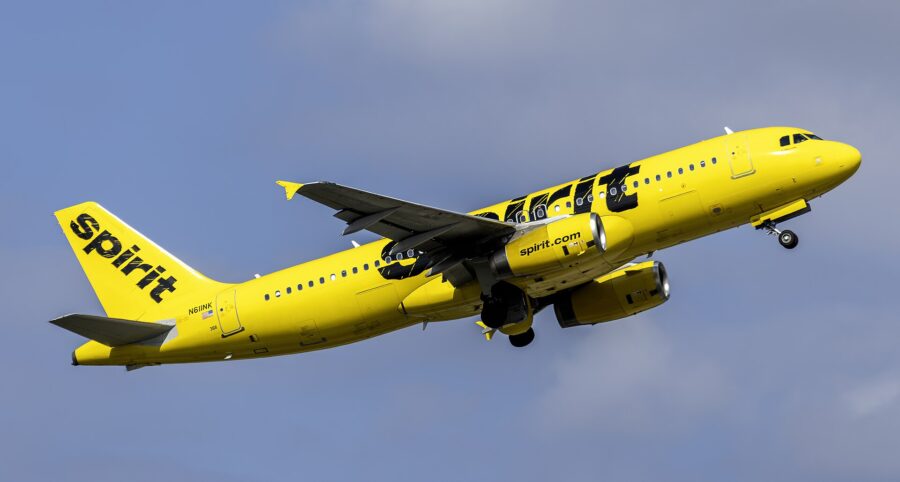
Spirit Airlines has reached an agreement with creditors that will allow the ultra-low-cost carrier to emerge from bankruptcy later this spring or early summer, avoiding the threat of liquidation but positioning the airline as a significantly smaller operator.
The Florida-based budget airline announced Tuesday Feb. 24 that it finalized a restructuring deal designed to reduce debt and stabilize operations following prolonged financial losses and two bankruptcy filings. Chief executive Dave Davis said the agreement will enable Spirit to emerge as a leaner competitor capable of delivering low fares while restoring profitability.
Spirit filed for bankruptcy protection again last year after struggling to recover from pandemic-era losses. While air travel demand rebounded strongly, consumer preferences shifted toward premium cabins and enhanced onboard experiences, putting pressure on carriers built around ultra-low base fares and ancillary fees. Spirit repeatedly warned investors there was substantial doubt about its ability to continue as a going concern.
Under the restructuring plan, Spirit will exit bankruptcy with sharply reduced debt and lower operating costs. However, the company will be considerably smaller than before its November 2024 filing. The airline has sold aircraft and airport gates to raise liquidity and cut liabilities, while also implementing significant workforce reductions.
According to aviation analytics firm Cirium, Spirit will operate nearly 40% fewer flights and seats during the upcoming summer travel season compared with the same period in 2024, reflecting a substantial capacity reduction.
Despite its downsizing, Spirit will remain an independent carrier under the terms of the deal. In previous cycles, several US airlines were acquired out of bankruptcy and merged into competitors, but Spirit’s attempts to consolidate have repeatedly fallen through.
In February 2022, Spirit agreed to merge with Frontier Airlines, but the deal collapsed after JetBlue Airways submitted a higher bid favored by shareholders. That acquisition was ultimately blocked in January 2024 when a federal judge ruled the combination would violate antitrust laws by reducing competition and increasing fares.
Spirit’s continued presence in the US market remains significant. Its low-fare model has historically pressured larger carriers such as Delta Air Lines and United Airlines to offer basic economy products. Analysts note that Spirit’s survival may help preserve downward fare pressure across the broader domestic aviation sector.
Related News: https://airguide.info/?s=spirit+airlines, https://airguide.info/category/air-travel-business/airline-finance/