
Spirit Airlines to Cut Fleet Below 80 in Restructuring

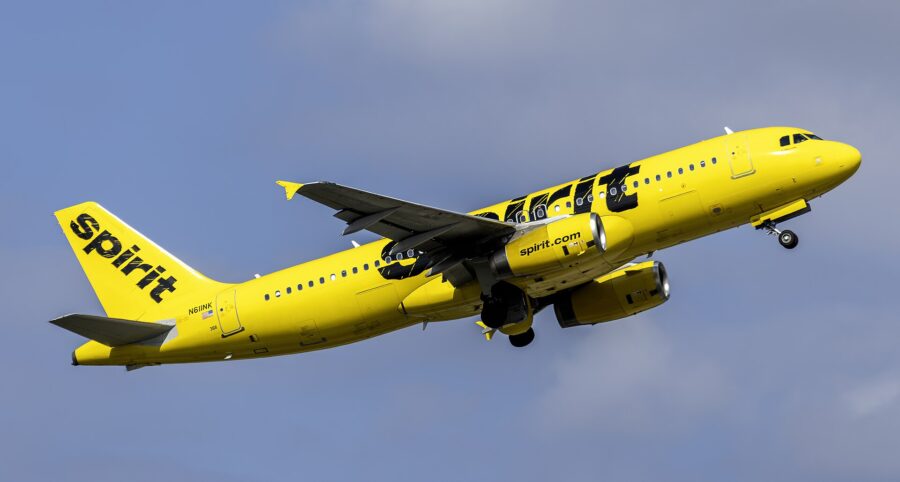
Spirit Airlines is moving to significantly shrink its fleet and network as it prepares to exit Chapter 11 bankruptcy, aiming to emerge as a leaner and more cost-efficient carrier in a challenging market environment.
The ultra-low-cost airline confirmed that it plans to reduce its fleet to between 76 and 80 aircraft by the third quarter of 2026. This marks a steep decline from the 214 aircraft it operated when it entered bankruptcy protection in August 2025. With its current fleet at roughly 125 aircraft, Spirit still intends to remove up to 50 additional jets as part of its restructuring plan.
The airline said the reductions are designed to lower debt, cut lease obligations, and reduce operating costs. Under its court-approved restructuring framework, Spirit aims to reduce total debt and lease liabilities from approximately $7.4 billion to around $2.1 billion, while lowering annual fleet costs by more than 65% compared with pre-bankruptcy levels.
Network cuts are also accelerating alongside fleet reductions. Spirit has already eliminated around 25% of its flying during peak summer 2025 and closed 11 operating bases across the United States, including Portland, Oakland, Chattanooga, and Birmingham. More than 20 routes have been dropped, many of which faced intense competition from other airlines.
The carrier has also scaled back operations in key markets such as Las Vegas, where routes have been reduced sharply and overall seat capacity has declined significantly. Going forward, Spirit plans to focus on core markets including Fort Lauderdale, Orlando, Detroit, and the New York City area, while optimizing aircraft utilization during peak demand periods.
As part of its recovery strategy, Spirit is also shifting its product offering to attract higher-yield passengers. The airline continues to roll out enhanced seating options, including Spirit First and Premium Economy products, signaling a move beyond its traditional ultra-low-cost model.
Spirit expects to emerge from Chapter 11 in late spring or early summer 2026 as a smaller airline operating a simplified fleet primarily composed of Airbus A320 and A321 aircraft. Leadership has described the strategy as creating a stronger, more disciplined competitor.
However, the restructuring comes amid rising uncertainty in the aviation sector, including volatile fuel prices driven by geopolitical tensions. Higher operating costs and competitive pressure from larger carriers could challenge Spirit’s recovery.
The success of the airline’s turnaround will depend on whether a smaller, more focused operation can remain competitive while maintaining its value-driven positioning in the U.S. domestic market.
Related News: https://airguide.info/?s=spirit+airlines, https://airguide.info/?s=A320
Sources: AirGuide Business airguide.info, bing.com, aerospaceglobalnews.com