
Trump Signs $901B NDAA, Sets Record U.S. Defense Spending for 2026

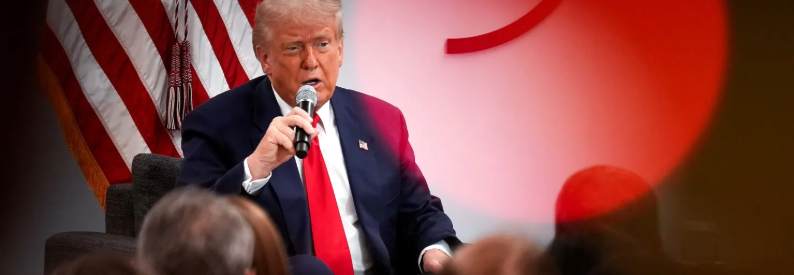
Donald Trump has signed the National Defense Authorization Act (NDAA) for the 2026 financial year into law, authorising a record USD901 billion in U.S. defence spending. The legislation marks the largest annual military budget in American history and underscores the administration’s focus on military readiness, force modernisation, and global security commitments.
The NDAA includes a nearly 4% pay raise for active-duty service members, one of the most significant increases in recent years. The measure is intended to help offset inflationary pressures and improve recruitment and retention across the armed forces, at a time when the military continues to face staffing challenges in several branches. Defence leaders have repeatedly warned that competitive compensation is essential to maintaining an all-volunteer force.
In addition to personnel costs, the bill provides USD400 million in continued security assistance for Ukraine. The funding supports military aid, training, and equipment as Ukraine continues to defend itself against Russian aggression. While U.S. support for Ukraine has been the subject of political debate, the inclusion of the funding in the NDAA reflects bipartisan backing in Congress for ongoing assistance tied to broader European and transatlantic security interests.
A major feature of the 2026 NDAA is a set of sweeping acquisition and procurement reforms aimed at accelerating the delivery of new capabilities to the armed forces. The legislation seeks to cut bureaucratic delays, streamline contracting processes, and expand the use of rapid prototyping and other alternative acquisition pathways. These changes are designed to help the Pentagon respond more quickly to emerging threats, particularly in areas such as hypersonic weapons, space systems, cyber defence, and advanced missile defence.
The bill also increases funding for next-generation platforms, including modern fighter aircraft, naval vessels, unmanned systems, and space-based capabilities. Investments in missile defence and nuclear modernisation remain priorities, reflecting growing concerns over strategic competition with China and Russia. Additional resources are allocated to improve munitions stockpiles, logistics resilience, and industrial base capacity.
Supporters of the NDAA argue that the record budget is necessary to maintain U.S. military superiority and deter adversaries in an increasingly unstable global security environment. Critics, however, have raised concerns about the long-term fiscal impact of rising defence spending and called for greater oversight to ensure funds are spent efficiently.
By signing the NDAA into law, President Trump has locked in a defence budget that sets the tone for U.S. military policy heading into 2026. The legislation reinforces the administration’s emphasis on strength, modernisation, and global engagement, while signalling continued U.S. commitment to allies and partners worldwide.
Related News: https://airguide.info/category/air-travel-business/airline-finance/
Sources: AirGuide Business airguide.info, bing.com