
Trump Threatens Decertification of Canadian Aircraft in Trade Dispute

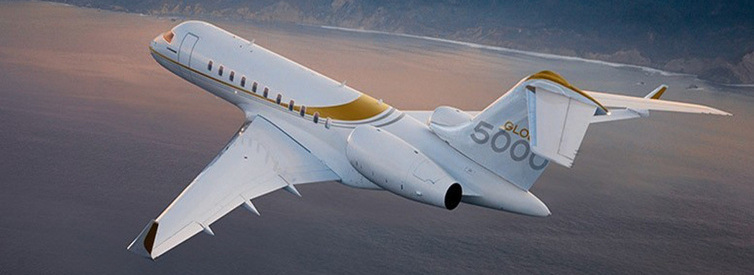
United States President Donald Trump has threatened to “decertify” Canadian-built aircraft, escalating a transborder aviation dispute despite lacking the legal authority to do so. The comments, posted on Trump’s Truth Social platform, specifically targeted aircraft manufactured in Canada, with particular emphasis on the Bombardier Global Express business jet family.
Trump claimed that Canada has unfairly delayed the certification of several US-made Gulfstream aircraft, including the GVII-G500, GVII-G600, G700, and G800. He argued that these delays justified retaliatory action against Canadian aerospace products. “Canada has wrongfully, illegally, and steadfastly refused to certify the Gulfstream 500, 600, 700, and 800 jets,” Trump wrote, adding that Canadian aircraft would be “decertified” until Gulfstream received full approval.
The remarks immediately raised concerns within the aviation industry, as aircraft type certification in the United States is overseen by the Federal Aviation Administration, not the presidency. While the FAA can suspend or revoke a type certificate, such actions are extremely rare and typically follow serious safety issues or accidents. High-profile groundings are usually implemented through airworthiness directives rather than outright certificate suspension.
Trump also warned that the United States could impose a 50% tariff on all Canadian aircraft if the certification issue was not “immediately corrected.” The threat drew further scrutiny, as aircraft lacking certification would, in principle, be unable to operate in US airspace, limiting the practical impact of tariffs on already grounded products.
According to a White House official cited by Bloomberg, any decertification measure, if pursued, would apply only to newly delivered aircraft and not to those already in service in the United States. This clarification appeared aimed at easing concerns among operators of existing Canadian-built fleets.
Bombardier said it had taken note of Trump’s comments and confirmed it was in contact with Canadian authorities. The company did not comment on potential operational or commercial impacts, but the statement signaled an effort to contain uncertainty among customers and investors.
Industry data shows the scale of potential exposure. There are currently 2,955 Bombardier-built aircraft registered in the United States, including 2,852 business jets and 103 commercial aircraft. In addition, US registers include 931 CRJ regional jets originally developed by Bombardier and now associated with MHI RJ Aviation, 215 aircraft from De Havilland Aircraft of Canada, and 196 A220s produced by Airbus Canada.
US-based customers have also disclosed orders for at least 241 additional Canadian-certified aircraft, including Bombardier business jets and A220s, with industry observers noting that many business aviation orders remain undisclosed until delivery.
As of now, the FAA has issued no regulatory actions implementing Trump’s threats, leaving the comments as political pressure rather than enforceable aviation policy.
Related News: https://airguide.info/category/air-travel-business/airline-finance/
Sources: AirGuide Business airguide.info, bing.com, ch-aviation.com