
Turkey’s Airline Fleet Grows to 800 Aircraft as Aviation Booms

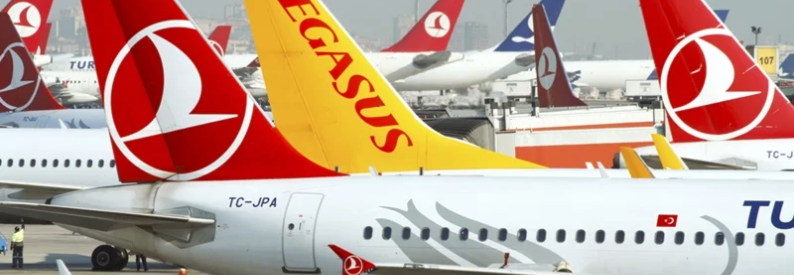
Turkey’s aviation sector continued its rapid expansion in 2025, with the country’s airline fleet reaching 800 aircraft by year-end, underscoring its emergence as one of the fastest-growing air travel markets globally. Data from the Directorate General of Civil Aviation shows that the number of aircraft used for passenger and cargo operations rose from 558 in 2021 to 800 in 2025, representing growth of around 43% in just five years.
The fleet expansion mirrors a broader surge in air travel demand and infrastructure investment across the country. Turkey has poured resources into airport construction and modernization projects, strengthening its position as a major aviation hub linking Europe, Asia, the Middle East, and Africa. A key driver has been the continued development of Istanbul Airport, now one of the largest airports in the world by capacity, alongside upgrades at major regional gateways including Antalya and Ankara Esenboğa airports.
By the end of 2025, airlines based in Turkey were operating flights to 356 destinations across 133 countries, reflecting the global reach of the country’s carriers. Passenger volumes climbed to more than 247 million during the year, setting a new all-time record for Turkish aviation and highlighting the sector’s resilience amid ongoing volatility in global travel markets.
Capacity growth has accompanied the rise in fleet size. Total seating capacity across Turkish airlines increased significantly, climbing from 104,464 seats in 2021 to 157,785 by the end of 2025. The expansion supports both strong domestic demand and sustained growth in international travel, particularly on leisure and long-haul routes.
Passenger aircraft account for the vast majority of the fleet, with 760 planes dedicated to carrying travelers, while 40 aircraft are deployed for cargo operations. The relatively small but growing cargo segment reflects increasing demand for air freight driven by e-commerce, express logistics, and Turkey’s strategic geographic location between major trading regions.
Market leadership remains firmly in the hands of Turkish Airlines, which operates 473 aircraft, making it one of the largest airline fleets in Europe and the wider region. Low-cost carrier Pegasus Airlines follows with 128 aircraft, while leisure-focused SunExpress operates 81 planes.
Industry analysts expect further growth in the coming years, supported by fleet renewal programs, new aircraft deliveries, and continued investment in airport infrastructure. As Turkey strengthens its role as a global aviation crossroads, the expansion of its airline fleet reflects both rising demand and long-term strategic ambition in air transport.
Related News: https://airguide.info/category/air-travel-business/airline-finance/
Sources: AirGuide Business airguide.info, bing.com, hurriyetdailynews.com