
United 787 Makes Emergency Landing at LAX After Engine Fire

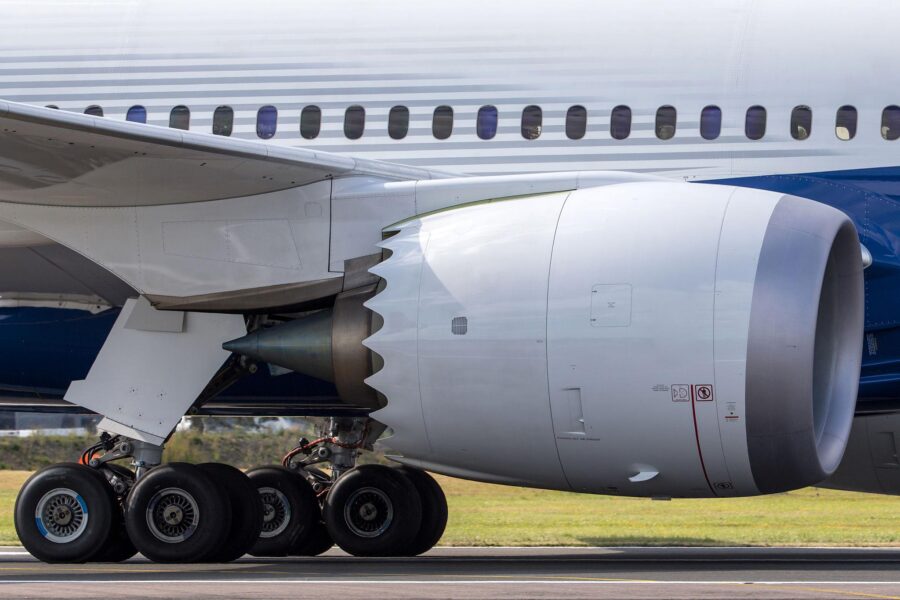
A United Airlines Boeing 787-9 Dreamliner was forced to make an emergency landing at Los Angeles International Airport (LAX) after a reported engine fire shortly after departure, triggering a runway return, passenger evacuation and temporary flight delays.
Flight 2127 departed LAX on the morning of March 2 bound for Newark Liberty International Airport in New Jersey. The aircraft, a Boeing 787-9 Dreamliner, was carrying 256 passengers and 12 crew members when the crew reported a left engine issue accompanied by smoke indications less than an hour into the flight.
According to the Federal Aviation Administration, the aircraft returned safely to LAX at approximately 11:20 a.m. local time. Passengers deplaned on a taxiway using emergency slides and airstairs before being transported by bus to the terminal.
Approximately 180 passengers were evacuated during the initial response, with reports of minor injuries. United later stated there were no serious injuries and that the airline was arranging onward travel for affected customers.
The FAA confirmed it will investigate the incident. As a precautionary measure, air traffic authorities temporarily paused arrivals into LAX from several airports, including Denver, Salt Lake City and Oakland, between 11:15 a.m. and 12:30 p.m. local time. Advisory notices warned of potential airborne holding and arrival delays of up to 30 minutes as operations stabilized.
United said in a statement that the aircraft returned “to address an issue with one of the engines” and emphasized that the landing was conducted safely. Emergency response teams were positioned on the ground as a standard precaution for suspected engine fire events.
The incident adds to heightened scrutiny surrounding Boeing aircraft in recent years, though no connection has been established between this event and prior industry accidents. The 787-9 Dreamliner is widely used on long-haul domestic and international routes and is equipped with advanced fire detection and suppression systems designed to manage engine-related anomalies.
Aircraft involved in such incidents typically undergo detailed inspections before being cleared to return to service. Investigators will examine engine data, cockpit recordings and maintenance history to determine the precise cause of the reported engine fire and smoke indications.
Operations at LAX resumed normal flow shortly after the temporary ground delay was lifted.
Related News: https://airguide.info/?s=united+airlines, https://airguide.info/?s=787, https://airguide.info/category/air-travel-business/travel-health-security/
Sources: AirGuide Business airguide.info, bing.com, yahoo.com