
United Express Go-Around at SFO Sparks Pilot and ATC Dispute

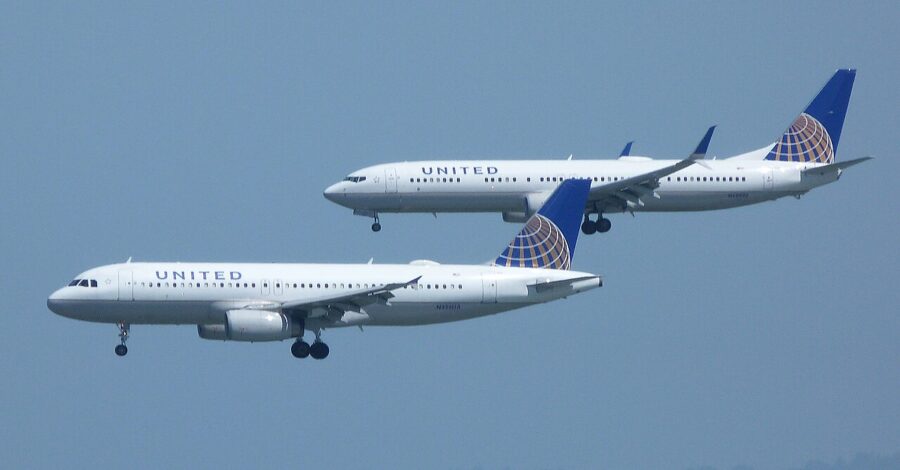
A routine go-around at San Francisco International Airport has drawn industry attention after a disagreement emerged between a United Express flight crew and air traffic control over runway clearance during landing. The incident underscores how differing perspectives between cockpit and tower can arise even when established safety procedures function as intended.
The event involved United Express flight UA5899, operated by SkyWest Airlines on behalf of United Airlines. The Bombardier CRJ-700 was arriving at San Francisco International Airport from Reno-Tahoe International Airport when the flight crew initiated a go-around shortly after noon on January 29, 2026.
A go-around is a standard safety maneuver used when pilots are uncertain about landing conditions or runway clearance. During the final approach, the crew elected to discontinue the landing and climb away from the runway. Following the maneuver, air traffic control asked for the reason, which is routine after any unexpected go-around.
The pilots reported that the tail of a Boeing 777-200ER operated by United Airlines and holding for departure on parallel runway 28R appeared to extend beyond the hold short line. These markings are designed to ensure that aircraft remain clear of protected runway surfaces during landing operations on adjacent runways.
The tower controller responded promptly, stating that the aircraft was correctly positioned and not beyond the hold short line, and instructed the CRJ-700 crew to contact departure control. The regional jet subsequently rejoined the arrival sequence and landed safely at approximately 12:22 p.m., completing the short sector in just over an hour.
Go-arounds are relatively common at major hubs and are actively encouraged whenever flight crews perceive potential risk. Pilots are trained to act conservatively, even if uncertainty lasts only a few seconds. Visual angles from the cockpit, especially at airports with closely spaced parallel runways like SFO, can create momentary ambiguity regarding aircraft positioning.
Controllers, for their part, rely on a combination of direct visual observation and surface surveillance systems to verify runway and taxiway status. Differences in timing between what pilots see on approach and what controllers observe on the ground can occasionally lead to conflicting assessments, particularly in high-density traffic environments.
Audio recordings of the exchange gained attention because both sides communicated firmly. In aviation, concise and assertive language is standard and does not necessarily indicate conflict. Publicly available recordings do not conclusively establish which assessment was correct, but the outcome reflects a system that worked as designed.
The incident highlights key operational principles: pilots retain full authority to abandon a landing if safety is in question, controllers continuously monitor runway safety, and structured communication helps resolve uncertainty quickly. Despite the brief disagreement, established procedures ensured a safe and uneventful conclusion to the flight.
Related News: https://airguide.info/?s=united+airlines, https://airguide.info/category/air-travel-business/travel-health-security/
Sources: AirGuide Business airguide.info, bing.com, aviationa2z.com