
United Tests New Data System for Safety and Efficiency

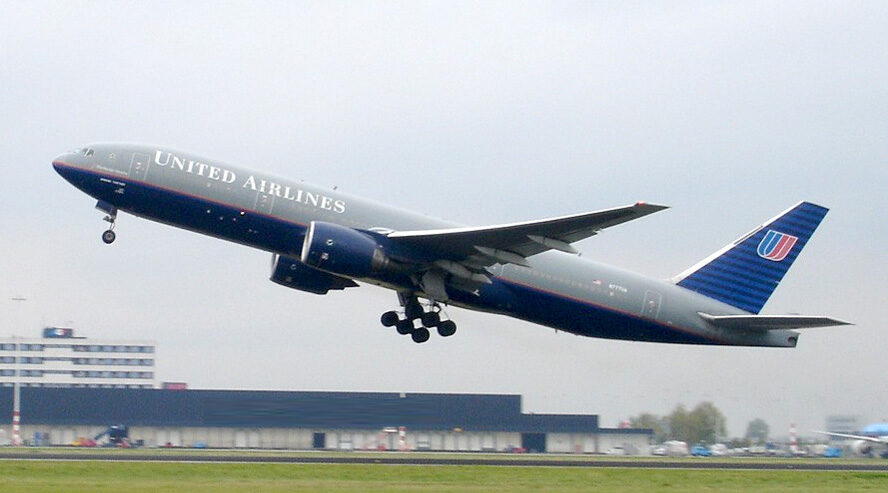
United Airlines and Boeing have successfully tested an internet-based data communication system designed to improve the flow of information between the flight deck, airline operations centers, and air traffic control. The initiative aims to enhance operational safety, efficiency, and real-time decision-making by enabling more seamless data sharing across key stakeholders in the aviation ecosystem.
The trials were conducted using a United Airlines Boeing 737-8 as part of Boeing’s ecoDemonstrator program, a long-running initiative that evaluates emerging technologies in real-world flight operations. By leveraging an internet-based architecture, the system allows aircraft to transmit and receive operational data more dynamically than traditional voice or legacy data links.
According to the companies, the new communication framework is intended to support more informed and timely decisions during all phases of flight. Real-time data exchange can help flight crews and airline operations teams respond more quickly to changing weather conditions, airspace constraints, and operational disruptions. Improved coordination with air traffic control could also contribute to smoother traffic flows and reduced delays.
Several major aerospace and technology partners participated in the tests, including Collins Aerospace and Honeywell, both of which contributed avionics and connectivity solutions. The Federal Aviation Administration was also involved, reflecting the regulatory interest in modernizing air traffic management and digital communications. Collaboration between airlines, manufacturers, technology providers, and regulators is seen as essential to safely deploying next-generation data systems at scale.
The ecoDemonstrator program provides a controlled yet operationally realistic environment to validate new technologies before they are introduced more widely across airline fleets. For United, the testing aligns with its broader strategy to use digital tools and data-driven solutions to improve reliability, reduce costs, and enhance the passenger experience. The airline has been an early adopter of advanced analytics, connectivity, and automation across its operations.
From an environmental perspective, more efficient information sharing can also support sustainability goals. Better coordination between aircraft and air traffic control can enable optimized routing, reduced holding times, and more efficient descent profiles, all of which help lower fuel burn and emissions. These benefits are increasingly important as airlines face growing pressure to improve environmental performance.
While the system remains in the testing and evaluation phase, the results point to the potential for a more connected aviation environment where aircraft operate as fully integrated nodes within a digital network. Future development could expand the scope of shared data, further integrating weather services, airport operations, and airspace management.
United and Boeing have not announced a timeline for broader deployment, but the successful tests mark a meaningful step toward modernizing aviation communications. As digital connectivity continues to evolve, such systems could play a central role in enhancing safety, efficiency, and resilience across the global air transport system.
Related News: https://airguide.info/category/air-travel-business/airline-finance/
Sources: AirGuide Business airguide.info, bing.com