
2026: U.S. Expands Visa Bond Policy and Travel Restrictions

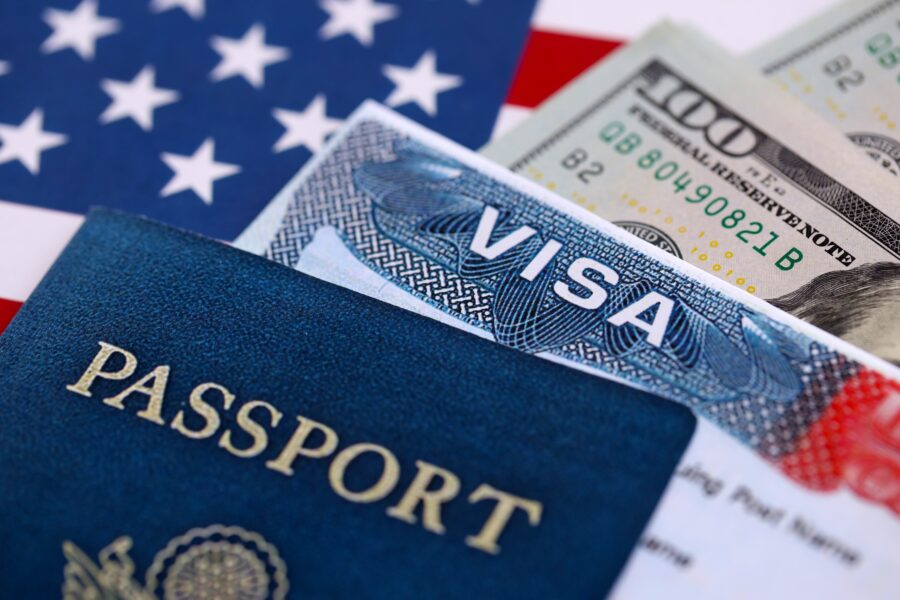
In a significant shift affecting global mobility, the U.S. expands visa bond policy and tightens travel restrictions for nonimmigrant visitors. Effective January 21, 2026, the U.S. Department of State has broadened a pilot program that requires certain foreign nationals applying for tourism and business visas to post refundable bonds before entry is approved. This change, part of broader immigration measures, will affect citizens from dozens of countries and has implications for travelers, families, employers, and international tourism professionals.
How the Visa Bond Requirement Works
The visa bond requirement is a financial guarantee designed to curb visa overstays and ensure compliance with U.S. immigration terms. Under the revised policy, travelers applying for B1 (business) or B2 (tourism) visas from designated countries must post a bond at the time of the visa interview. The bond ranges from $5,000 to $15,000, with the exact amount determined by consular officers based on the applicant’s individual circumstances. This bond does not guarantee visa issuance; it is a separate procedural requirement. If travelers depart the U.S. on or before their authorized stay and comply with all terms, the bond is refunded. However, if a traveler overstays, violates terms, or remains beyond the permitted period, the bond may be forfeited. Importantly, this requirement applies only to certain B1/B2 visa applicants and excludes citizens of countries participating in the Visa Waiver Program, who can enter the U.S. without a visa under established agreements.
Countries Affected and Implementation Details
Originally part of a smaller pilot program introduced in 2025, the U.S. expands visa bond policy to include 38 countries across Africa, Asia, Latin America, and island nations. The expansion is intended to broaden international travel compliance and address patterns of visa overstays, particularly from countries with identified rates of non-compliance. The expanded list includes Algeria, Bangladesh, Cuba, Nepal, Nigeria, Senegal, Venezuela, and several other nations. Travelers from these countries applying for B1/B2 visas should be prepared for the bond requirement during the consular interview process. Another important detail is that visa bond holders must enter and exit the United States through specified ports of entry, including Boston Logan International Airport (BOS), John F. Kennedy International Airport (JFK), and Washington Dulles International Airport (IAD). Failure to use designated entry points could complicate compliance records and affect the refund process.
Why the Policy Has Drawn Attention
Proponents of the expanded visa bond program argue that the financial requirement encourages travelers to adhere to visa terms and discourages undocumented immigration via visa overstays — a migration pathway that, according to some studies, now exceeds illegal border crossings as a method of unauthorized entry in recent years. Critics, however, point out that tying a high visa bond requirement — sometimes equal to several months’ income in affected countries — to the ability to visit the U.S. can act as a de facto travel restriction. For many travelers, a bond of up to $15,000 is prohibitively expensive and could deter legitimate tourism, family visits, or short-term business travel. Travel organizations and tourism advocates have raised concerns that these travel restrictions could dampen international visitor numbers, weaken global cultural exchange, and strain diplomatic relationships, particularly with countries disproportionately affected by the bond policy.
Implications for Travelers and Employers
For individual travelers, understanding the U.S. expands visa bond policy means planning ahead. Applicants from affected nations should factor in the potential bond cost when budgeting for travel and ensure strict compliance with visa terms to secure refund eligibility. It also underscores the importance of accurate documentation, adherence to entry and exit requirements, and consultation with immigration professionals if there are questions about eligibility or bond conditions. Employers sponsoring international business visitors should also take note. The financial and procedural hurdles introduced by the expanded bond policy could affect staffing, travel schedules, and budget planning for global operations. Employers may want to work with visa specialists or legal advisors to navigate the new requirements efficiently and to avoid disruptions in business travel plans.
Looking Ahead
As the U.S. expands its visa bond policy and broader travel restrictions into 2026, travelers and global partners should monitor updates from the Department of State. The pilot program is scheduled to run through August 2026, and future adjustments, review outcomes, or policy revisions remain possible as authorities assess the program’s impact on compliance and international mobility.
Staying informed, planning early, and understanding these changes are essential steps for anyone planning travel to the United States in the year ahead.
If you want ongoing updates on travel regulations, visa policy changes, and global travel news, subscribe to our newsletter for the latest insights delivered straight to your inbox.
Related Content: https://airguide.info/category/air-travel-business/travel-health-security/
References: bing.com, airguide.info, Salujalaw
Subscribe to our newsletter!