
Volaris and Viva Aerobus Agree to Merge in Mexico LCC Deal

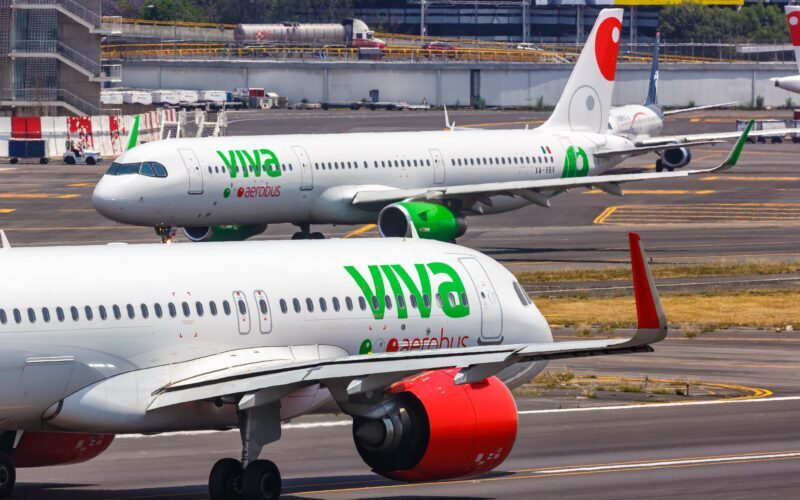
Mexico’s two busiest airlines, Volaris and Viva Aerobus, have agreed to merge, creating a new low-cost airline group that would become the country’s largest domestic carrier. The companies confirmed the deal on Thursday Dec. 18, following an earlier Reuters report that an agreement was close.
Under the transaction, both airlines will continue operating under their existing brands, maintaining separate commercial and operational structures while combining ownership at the holding-company level. The carriers said this approach will allow them to preserve brand identity and customer loyalty while benefiting from scale and efficiencies at the group level.
Volaris and Viva Aerobus operate similar domestic and regional networks and both fly all-Airbus fleets, a factor expected to support cost synergies across maintenance, training, and procurement. Their largest domestic competitor is Aeromexico, Mexico’s flag carrier, which also dominates the country’s international market.
“We expect the formation of the new airline group will allow us to realize significant growth opportunities for air travel in Mexico,” said Volaris Chief Executive Enrique Beltranena. The companies added that the deal would strengthen low-cost air travel in Mexico by expanding route coverage, lowering operating costs, and improving connectivity, with broader economic benefits for the country.
The merger is structured as a merger of equals. The holding companies of Volaris and Viva will combine, with Viva shareholders receiving newly issued shares in Volaris’ holding company. Existing Volaris shareholders will retain their stakes, resulting in a 50-50 ownership split between the two groups.
Volaris’ largest shareholder is private equity firm Indigo Partners, which also controls U.S.-based Frontier Airlines and Chile’s JetSMART. Viva Aerobus is privately owned by transportation group IAMSA, controlled by Mexican transportation magnate Roberto Alcantara. The board of the new airline group will include representatives from both carriers and will be chaired by Alcantara.
The companies expect the transaction to close in 2026, subject to regulatory approvals. Shares will remain listed in both Mexico and New York. Antitrust clearance will be required, and the deal is likely to face opposition from Aeromexico, which currently holds roughly one-third of Mexico’s domestic market, similar to the combined share of Volaris and Viva.
The merger comes against the backdrop of ongoing challenges in Mexico’s aviation market, including strained relations with U.S. regulators. In October, the U.S. Department of Transportation rejected more than a dozen proposed routes by Mexican airlines, citing concerns over Mexico’s airport slot policies and the forced relocation of cargo operations from Mexico City’s main airport. In November, President Claudia Sheinbaum said Mexican airlines would give up some airport slots to U.S. carriers.
U.S. airlines currently account for more than half of Mexico’s international passenger traffic, while Mexican carriers represent just under 30%, highlighting the competitive pressures facing the country’s aviation sector as the Volaris–Viva merger moves forward.
Related News: https://airguide.info/?s=Volaris, https://airguide.info/?s=Viva+Aerobus, https://airguide.info/category/air-travel-business/airline-finance/
Sources: AirGuide Business airguide.info, bing.com, cnbc.com, reuters.com