
Warnings Ignored Before Deadly D.C. Midair Crash

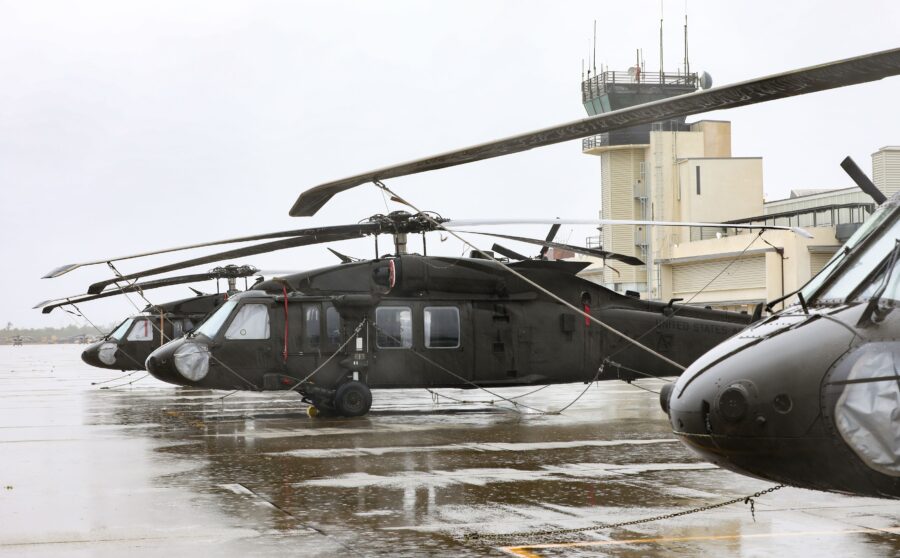
New evidence reveals that multiple close calls between commercial jets and military helicopters occurred just hours before the deadly 2025 midair collision near Ronald Reagan Washington National Airport, raising serious concerns about long-standing safety failures in one of the United States’ most congested airspaces.
Internal safety reports show that on January 28, 2025—just one day before the fatal crash—two separate near-miss incidents triggered cockpit collision alerts, forcing pilots to take evasive action to avoid military helicopters operating near the airport. Both flights landed safely, but the warnings highlighted systemic risks that had been building for years.
The following day, a U.S. Army Black Hawk helicopter collided with an American Airlines regional jet on approach, killing all 67 people on board. The accident marked the deadliest U.S. aviation disaster in nearly two decades.
According to the National Transportation Safety Board, there had been at least 85 near-midair collisions involving helicopters and commercial aircraft in the Washington, D.C. area between 2021 and 2024. Despite repeated warnings from air traffic controllers, safety recommendations were not fully implemented.
Former air traffic controller Emily Hanoka described the system as increasingly fragile, noting that aircraft were operating in dangerously close proximity under intense traffic pressure. “There were obvious cracks in the system,” she said, adding that operations relied heavily on precise timing and coordination to avoid disaster.
The airspace around Reagan National is uniquely complex, with restricted zones protecting key government buildings forcing aircraft into narrow corridors over the Potomac River. At the same time, military, police, and medical helicopters routinely operate in the same airspace, creating a high-risk environment.
Investigators found that some helicopter routes allowed for as little as 75 feet of vertical separation between aircraft, far below typical safety margins. The reliance on visual separation, particularly at night, further increased the risk. Pilots using night-vision goggles faced limited visibility, making it difficult to distinguish aircraft from ground lights.
The Federal Aviation Administration has since taken steps to reduce risk, including restricting helicopter operations near the airport and adjusting flight paths. However, concerns remain about staffing shortages, airspace congestion, and the pace of safety reforms.
The NTSB’s final report concluded that the crash was preventable and cited a series of systemic failures, including ignored warning signs and flawed airspace design. The agency issued more than 50 safety recommendations aimed at preventing similar incidents nationwide.
Despite these changes, new safety reports indicate that close calls between aircraft and helicopters have continued even after the crash, underscoring the ongoing challenges facing U.S. air traffic management.
As aviation authorities work to implement reforms, the tragedy serves as a stark reminder of the risks posed by increasingly complex and congested airspace, and the consequences of failing to act on early warning signs.
Related News: https://airguide.info/?s=NTSB, https://airguide.info/?s=FAA, https://airguide.info/category/air-travel-business/travel-health-security/
Sources: AirGuide Business airguide.info, bing.com, cbsnews.com