
Watchdog Flags Safety and ATC Modernization as FAA’s Top Risks

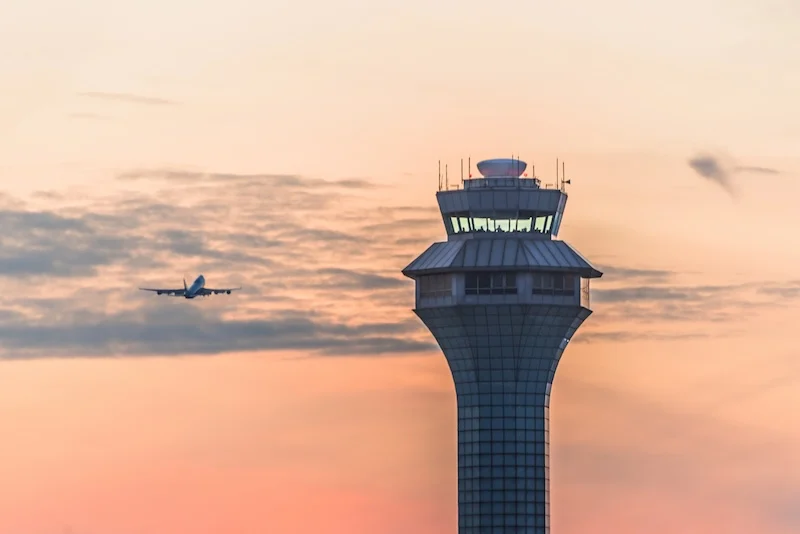
Aviation safety and air traffic control (ATC) modernization remain the most pressing management challenges facing the Federal Aviation Administration, according to a new assessment by the Department of Transportation Inspector General (DOT IG). The findings were published this week as part of the watchdog’s annual review of top management challenges across US transportation agencies.
Safety concerns were identified as a recurring issue across all transportation modes, but the DOT IG said aviation continues to demand heightened attention. For the FAA, recent runway incursions, mechanical failures, and major accidents—including a fatal midair collision over Washington, D.C., on January 29, 2025—have kept systemic safety risks “at the forefront.” The watchdog said addressing these risks will depend heavily on the FAA’s ability to modernize airspace management while tackling persistent staffing shortages.
A key challenge highlighted in the report is how the FAA balances collaborative oversight with regulatory enforcement. The agency’s compliance philosophy emphasizes cooperative problem-solving with operators to achieve rapid corrective action and long-term safety improvements. However, the DOT IG warned that this approach can fall short when inspectors fail to identify deeper, systemic hazards.
Citing multiple audits of airline maintenance oversight, the report said inspectors do not always analyze historical data to detect repeat noncompliance. As a result, root causes may go unaddressed, allowing safety issues to recur. One example involved the FAA’s SkyWest Certificate Management Office, where inspectors did not consistently follow agency guidance when responding to noncompliance. The watchdog said such inconsistencies can send mixed signals to airlines about the seriousness of identified risks, a problem compounded by management turnover that erodes institutional knowledge.
On the ATC side, the DOT IG again flagged chronic staffing shortages at critical facilities. Studies show that 19 of the busiest ATC facilities serving the FAA’s core 30 airports are staffed at least 15% below agency targets. The watchdog said hiring and training more controllers is essential to reducing delays and cancellations and maintaining the integrity of the National Airspace System (NAS). It acknowledged recent FAA initiatives, including the Enhanced Air Traffic–Collegiate Training Initiative and the use of financial incentives to attract new recruits.
Infrastructure reliability also remains a major concern. The report pointed to a 90-second loss of radar and radio contact in April 2025 caused by a burnt copper wire, followed by another outage a month later due to failures in both primary and backup communications systems. Such incidents, the DOT IG said, highlight the urgent need for investment in modern, redundant ATC infrastructure.
Looking ahead, the FAA plans to deploy a new ATC system requiring an estimated USD31.5 billion through 2028. This effort comes as the agency winds down its Office of the Next Generation Air Transportation System (NextGen), which oversaw earlier modernization programs. The watchdog cautioned that past NextGen efforts were plagued by cost overruns, schedule delays, and reduced benefits.
The DOT IG warned that the FAA has yet to present a comprehensive plan to anticipate and mitigate similar risks in the next modernization phase, stressing that without clear execution strategies, longstanding challenges could re-emerge amid inflation, supply chain constraints, and other external pressures.
Related News: https://airguide.info/?s=FAA, https://airguide.info/category/air-travel-business/travel-health-security/
Sources: AirGuide Business airguide.info, bing.com, ainonline.com