
Weather Balloon Identified as Cause of United Airlines Windshield Crack at 36,000 Feet

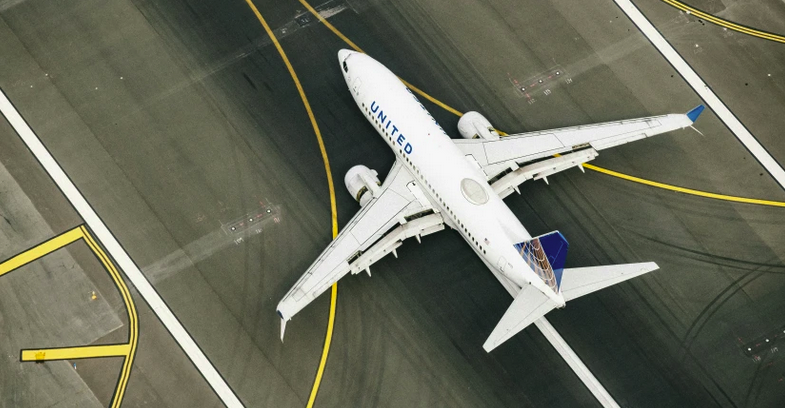
Authorities have identified a weather balloon as the likely object that struck a United Airlines aircraft mid-flight, cracking its windshield at 36,000 feet over Moab, Utah. The incident occurred on October 16 aboard a Boeing 737 Max traveling from Denver to Los Angeles, forcing an emergency diversion to Salt Lake City.
According to investigators, multiple layers of the cockpit windshield fractured during the flight, though the aircraft did not lose cabin pressure. One of the two pilots sustained minor injuries, and the flight landed safely with all 134 passengers and six crew members unharmed. The National Transportation Safety Board (NTSB) launched an investigation soon after the event to determine what caused the high-altitude impact.
Windborne Systems, a California-based company that operates long-duration weather balloons for atmospheric data collection, later confirmed that one of its balloons was likely involved in the collision. The company has cooperated with federal investigators and conducted its own internal review following the NTSB’s report.
In a statement posted on X (formerly Twitter), Windborne CEO John Dean said he was shocked to see the extent of the damage, noting that his company’s balloons are designed to be lightweight and non-hazardous. “Our balloons weigh just 2.4 pounds at launch, with a small sandbag as ballast,” Dean said. “The system is designed to not pose a risk to human life in the worst-case event of a collision. This is what FAA Part 101 and ICAO weight limits are for.”
Dean described the windshield “spallation,” or fracturing of the outer layers of glass, as “extremely concerning and unacceptable,” adding, “It resulted in injury to a pilot, which I’m simply not okay with whatsoever.”
The Associated Press reported that Windborne has launched more than 4,000 weather balloons worldwide and fully complies with all FAA regulations concerning the size, materials, and operational protocols of its devices. The balloons collect meteorological data to improve global weather forecasting and climate research.
United Airlines confirmed that its maintenance and safety teams are inspecting the affected aircraft, while the NTSB continues to analyze flight data and physical evidence from the windshield. The agency has not yet released its final findings but is expected to include recommendations on preventing similar incidents involving high-altitude balloons and aircraft.
The rare midair collision highlights potential challenges as atmospheric data collection and aviation increasingly share the same airspace. Though weather balloons are designed to be lightweight and non-metallic to minimize risk, even small objects can cause significant damage when struck at cruising altitudes.
Related News: https://airguide.info/?s=United+Airlines, https://airguide.info/category/air-travel-business/travel-health-security/
Sources: AirGuide Business airguide.info, bing.com, oregonlive.com