
Wizz Air Advances Sustainability With New Aircraft and SAF

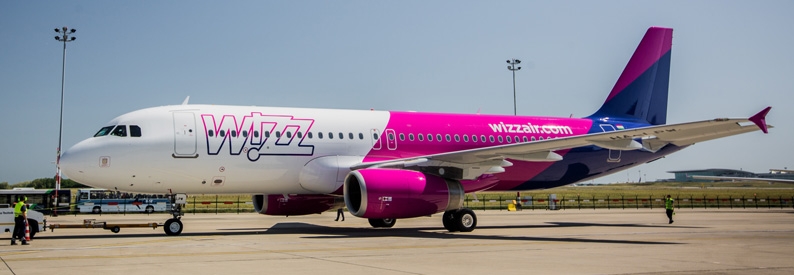
Wizz Air is accelerating its sustainability strategy through a combination of fleet modernization, increased use of sustainable aviation fuel, and partnerships aimed at reducing the environmental impact of its fast-growing network. The low-cost carrier says the approach is designed to deliver meaningful emissions reductions while supporting continued expansion across Europe and beyond.
A central pillar of the strategy is maintaining one of the youngest aircraft fleets in the region. Wizz Air’s fleet has an average age of just 4.7 years, placing it among the youngest in Europe. The airline has focused heavily on next-generation narrowbody aircraft, particularly the Airbus A321neo, which offers significant efficiency gains compared with older models. According to the airline, the A321neo reduces fuel consumption and carbon emissions by around 20% per seat, while also lowering noise levels around airports.
Fleet renewal has allowed Wizz Air to improve its emissions performance on a per-passenger basis, a key metric for low-cost carriers that rely on high aircraft utilization and dense seating layouts. By standardizing its fleet around a single aircraft family, the airline also benefits from operational efficiencies, simplified maintenance, and reduced training requirements, all of which contribute indirectly to lower environmental impact.
Alongside aircraft modernization, Wizz Air has made sustainable aviation fuel a core component of its long-term decarbonization plans. The airline has set a target to power 10% of its flights with sustainable aviation fuel by 2030, a level that would exceed current industry averages but remains dependent on wider availability and affordability of SAF. Wizz Air has been vocal in calling for stronger policy support to scale SAF production across Europe, arguing that airlines alone cannot shoulder the cost burden.
The carrier has also entered into partnerships with fuel suppliers, airports, and technology companies to explore new ways of reducing emissions both in the air and on the ground. These initiatives include more efficient flight planning, weight reduction measures, and the use of digital tools to optimize operations. While individually incremental, the airline says these steps collectively contribute to measurable emissions savings.
Wizz Air’s sustainability push comes as regulators and consumers place growing pressure on airlines to demonstrate credible climate strategies. The European aviation sector faces tightening emissions rules and increasing scrutiny over growth plans, particularly among low-cost carriers with aggressive expansion targets.
Executives at Wizz Air argue that newer aircraft and SAF adoption offer the most realistic path to near- and medium-term emissions reductions, compared with unproven technologies such as hydrogen or electric aircraft, which are still years away from large-scale deployment. By prioritizing efficiency today, the airline believes it can balance environmental responsibility with its low-cost business model.
As competition intensifies and sustainability becomes a clearer differentiator, Wizz Air’s strategy positions it as an operator betting on technology and scale rather than offsets alone. The effectiveness of that approach will depend on how quickly SAF markets develop and whether regulatory frameworks evolve to support the airline’s ambitions over the coming decade.
Related News: https://airguide.info/category/air-travel-business/airline-finance/
Sources: AirGuide Business airguide.info, bing.com