
Electric Air Taxis: What They Are and Whether They’re the Future of Travel

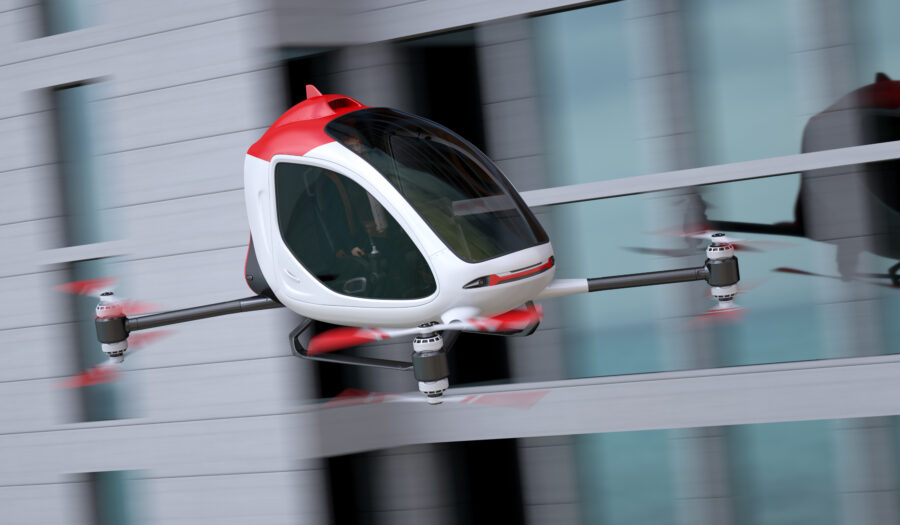
The concept of electric air taxis has rapidly shifted from futuristic idea to real-world testing in 2026. What once felt like science fiction is now being demonstrated in major cities, with companies pushing forward to redefine how we move through congested urban environments.
As interest grows, travelers and industry observers alike are asking the same questions: What exactly are these aircraft, are they safe, and will they become a lasting part of the future of air travel?
What Are Electric Air Taxis?
Electric air taxis are small aircraft powered by electricity rather than traditional jet fuel. Most fall under the category of eVTOL aircraft—short for electric vertical takeoff and landing—meaning they can lift off and land like helicopters but operate more like airplanes once in the air.
These aircraft are typically designed to carry a pilot and a small number of passengers, often four to five people. Their main goal is to provide short, efficient trips between key locations such as airports, city centers, and business districts.
Unlike helicopters, they are significantly quieter and produce zero direct emissions, making them an attractive option for urban air mobility solutions in densely populated areas.
Why Electric Air Taxis Are Gaining Momentum
The rise of electric air taxis is closely tied to one major problem: urban congestion. Cities around the world are struggling with traffic, long commute times, and infrastructure limitations.
In 2026, companies like Joby Aviation have already begun real-world demonstrations. In a recent milestone, a test flight connected John F. Kennedy International Airport to Manhattan in about 15 minutes—far faster than traditional ground travel .
These aircraft are designed to fly at speeds of up to 140–200 mph, drastically reducing travel time while offering a quieter alternative to helicopters . For travelers, this could mean turning a one-hour commute into a matter of minutes.
Where You Can Expect to See Them First
The rollout of electric air taxis is already underway in select markets. In the United States, pilot programs backed by regulators are testing operations across multiple states, with early deployments expected to expand through 2026 .
Cities leading the way include:
- New York City (airport-to-city routes)
- Los Angeles (urban congestion solutions)
- Miami (tourism and airport connectivity)
Internationally, Dubai is positioning itself as one of the first cities to launch commercial services, integrating air taxis into ride-hailing platforms and connecting major hubs like airports and business districts .
This phased rollout reflects a broader shift toward integrating urban air mobility into existing transportation systems rather than replacing them entirely.
Are Electric Air Taxis Safe?
Safety remains one of the most important concerns when discussing air taxi safety. While the technology is still emerging, manufacturers are working closely with aviation regulators such as the FAA to meet strict certification standards.
These aircraft are built with multiple redundant systems, including several rotors and backup power systems, designed to maintain stability even if one component fails. Extensive testing—often involving tens of thousands of flight miles—is required before commercial approval .
In addition, early operations will be piloted, not autonomous, ensuring that trained professionals remain in control during initial deployment phases.
While no new aviation technology is without risk, the regulatory process is designed to ensure that eVTOL aircraft meet safety levels comparable to existing commercial aviation standards.
Is This a Trend or the Future of Air Travel?
The big question is whether electric air taxis are here to stay or simply a short-lived trend. Current developments suggest they are more than a passing innovation.
Governments and private companies are investing heavily in infrastructure such as “vertiports”—dedicated takeoff and landing hubs—along with battery technology and air traffic integration systems. These investments signal long-term commitment rather than experimental curiosity.
However, challenges remain:
- Regulatory approval timelines
- High initial costs for passengers
- Infrastructure development in major cities
- Public acceptance of new air mobility systems
Despite these hurdles, the potential benefits—reduced congestion, faster travel, and lower emissions—align with global transportation goals, making urban air mobility a likely permanent addition to the travel ecosystem.
What This Means for Travelers
For travelers, the introduction of electric air taxis could reshape how we think about short-distance travel. Airport transfers, business commutes, and even tourism experiences may become faster and more efficient.
In the early stages, pricing is expected to align with premium ground services like private car rides, but costs could decrease as the technology scales and adoption increases .
This means that what starts as a premium experience may eventually become accessible to a broader range of travelers.
Electric air taxis represent one of the most exciting developments in the future of air travel. With real-world tests already taking place and commercial launches on the horizon, the transition from concept to reality is happening faster than many expected.
While questions around air taxi safety, affordability, and infrastructure remain, the momentum behind eVTOL aircraft suggests this is not just a trend—it’s the beginning of a new era in transportation.
As cities continue to evolve and demand for faster, cleaner mobility grows, electric air taxis are poised to play a key role in how we move through the world in the years ahead.
Subscribe to our newsletter!
Related News: https://airguide.info/category/magazineonline/traveltech/, https://airguide.info/category/air-travel-business/artificial-intelligence/
Sources: AirGuide Business airguide.info, bing.com