
Kuwait Reopens Airspace After Gulf Closure

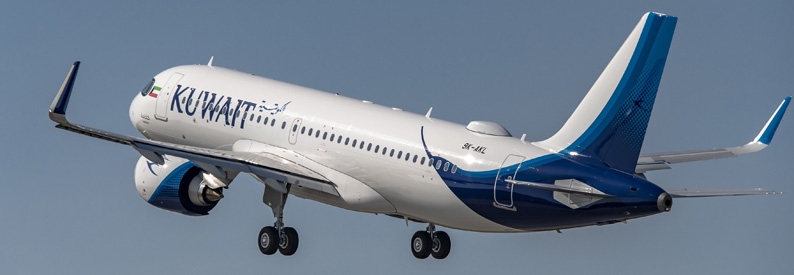
Kuwait has reopened its airspace to commercial flights, becoming the last Gulf state to resume operations following a nearly two-month closure triggered by regional tensions linked to the U.S.-Israeli conflict with Iran.
Authorities confirmed that, as of April 23, airspace access is limited to flights arriving in and departing from Kuwait. Overflights remain prohibited, reflecting a cautious and phased approach to restoring aviation activity while regional security conditions continue to evolve.
The closure, which began in late February, significantly disrupted air traffic across the Gulf, forcing airlines to reroute flights and absorb higher fuel and operational costs. Kuwait’s delayed reopening compared to neighboring countries highlights the complexity of managing aviation safety amid heightened geopolitical risk.
Under the new rules, all airlines must secure fresh approvals before operating flights into or out of Kuwait. Previously issued permits, including those granted before February 28, have been invalidated. This requirement is expected to create additional administrative steps for carriers as they rebuild schedules and restore connectivity.
National carriers Kuwait Airways and Jazeera Airways resumed operations from Kuwait International Airport on April 26, marking a gradual return to normal service levels. Both airlines are expected to prioritize core regional routes initially before expanding to broader international networks as conditions stabilize.
The reopening is a key step toward normalizing air travel in the Gulf region, which has faced widespread disruption due to airspace restrictions and safety concerns. Airlines operating through the Middle East have been forced to adopt longer flight paths, increasing fuel consumption and flight times, while also navigating evolving regulatory requirements.
Despite the reopening, industry observers caution that the continued ban on overflights could limit Kuwait’s role as a transit corridor, particularly for long-haul routes connecting Europe and Asia. The situation remains fluid, with further adjustments likely depending on geopolitical developments and security assessments.
Kuwait’s decision aligns with a broader regional trend toward cautiously restoring aviation operations, even as uncertainty persists. Airlines and regulators are expected to continue balancing operational efficiency with safety considerations in the weeks ahead.
Related News: https://airguide.info/category/air-travel-business/airline-finance/, https://airguide.info/category/air-travel-business/airport-business/
Sources: AirGuide Business airguide.info, bing.com, ch-aviation.com