
KLM Cancels 160 Flights as Fuel Costs Surge in Europe

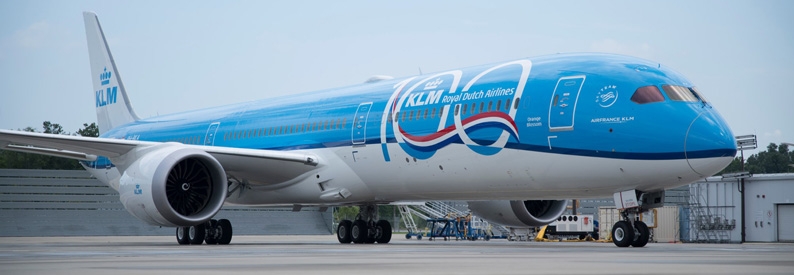
Dutch carrier KLM Royal Dutch Airlines has announced it will cancel around 160 European flights over the coming month as rising fuel costs continue to pressure airline operations and profitability.
The decision reflects the growing financial strain on airlines across the region, as jet fuel prices climb amid ongoing geopolitical tensions and supply disruptions. Fuel remains one of the largest expenses for carriers, and even modest increases can significantly impact margins, particularly on short-haul routes where pricing flexibility is limited.
KLM said the cancellations are part of a broader effort to manage costs and maintain operational stability during a volatile period for the aviation industry. The affected flights are primarily within Europe, where competition from low-cost carriers and high-frequency schedules make it more challenging to absorb cost increases without adjusting capacity.
The move also highlights how external factors—such as energy markets and regional conflicts—are directly influencing airline network planning. With fuel prices remaining unpredictable, airlines are increasingly adjusting schedules, optimizing fleet deployment, and, in some cases, reducing less profitable routes to preserve financial performance.
Passengers may experience disruptions as a result of the cancellations, including rebookings, schedule changes, and reduced travel options on certain routes. KLM has indicated it will work to accommodate affected travelers, either by offering alternative flights or refunds, depending on availability and passenger preference.
Industry analysts note that while demand for air travel remains strong, airlines are facing a complex environment marked by rising operating costs, staffing constraints, and ongoing supply chain issues affecting aircraft maintenance and delivery schedules. These pressures are forcing carriers to strike a balance between meeting demand and protecting profitability.
The cancellations come at a time when European air travel is approaching peak seasonal demand, further complicating capacity management. Airports and air traffic systems are already operating near maximum levels in several key markets, leaving little room for operational disruptions.
KLM’s decision may signal a broader trend if fuel prices continue to rise, with other carriers potentially following suit by trimming schedules or increasing fares to offset higher costs. For travelers, this could mean tighter availability and higher ticket prices in the months ahead.
As the aviation sector navigates these challenges, the situation underscores the sensitivity of airline economics to global energy markets and the need for continued efficiency improvements and strategic planning.
Related news: https://airguide.info/?s=KLM, https://airguide.info/category/air-travel-business/airline-finance