
British Airways Allows Inflight Calls With Starlink Wi-Fi

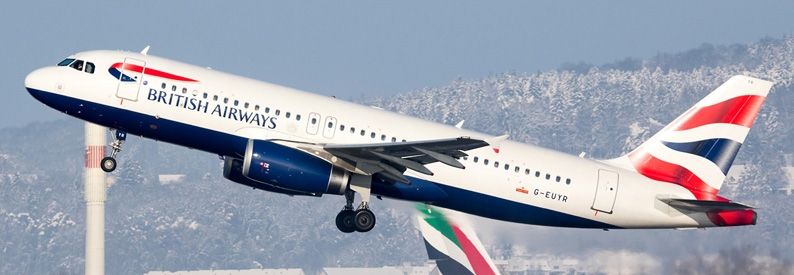
British Airways is introducing a controversial change to the onboard experience by allowing passengers to make inflight voice calls on aircraft equipped with Starlink Wi-Fi, marking a shift in how airlines approach connectivity and passenger behavior in the cabin.
The airline’s first Starlink-enabled flight departed on March 19, kicking off a broader rollout that will extend the technology to more than 300 aircraft over the next two years. Under the new policy, passengers can place voice calls over Wi-Fi, provided they keep their voices low and use headphones.
The move reflects the rapid evolution of inflight connectivity. Starlink’s low Earth orbit satellite network delivers significantly faster speeds and lower latency than previous systems, making real-time communication—such as voice and video calls—technically viable at cruising altitude. While several airlines, including United Airlines, Hawaiian Airlines, and Alaska Airlines, have adopted Starlink or similar systems, they have generally avoided permitting voice calls, citing passenger comfort concerns.
In the United States, traditional cellular voice calls remain restricted under rules set by the Federal Communications Commission, primarily due to concerns about interference with ground networks. However, these rules do not apply to internet-based calls made over onboard Wi-Fi, leaving airlines with discretion over whether to allow such services. The Federal Aviation Administration has historically supported cautious use of onboard electronics, though technological advances have reduced earlier safety concerns.
Despite improved connectivity, most U.S. carriers have opted to limit inflight communication to messaging, email, and streaming, often blocking or discouraging voice and video calls to maintain a quieter cabin environment. Even services sponsored by telecom partners, such as free Wi-Fi offerings, typically exclude voice communication features.
In contrast, European regulators, including the European Union Aviation Safety Agency, allow airlines greater flexibility in determining how connectivity is used onboard. This has opened the door for carriers like British Airways to experiment with policies that were previously considered impractical.
Industry experts remain divided on the change. Some argue that decisions about inflight behavior should be left to airlines rather than regulators, while others warn that voice calls could disrupt the shared cabin environment and lead to increased passenger frustration.
As connectivity continues to improve, the debate is shifting from technical feasibility to passenger experience. British Airways’ move may signal the beginning of a broader industry shift—or reinforce why many airlines have resisted allowing inflight calls despite having the capability.
Related News: https://airguide.info/?s=Starlink, https://airguide.info/?s=British+Airways, https://airguide.info/category/air-travel-business/airline-finance/
Sources: AirGuide Business airguide.info, bing.com, aviationweek.com, cnbc.com