
FAA Orders Flight Cuts at Chicago O’Hare to Ease Delays

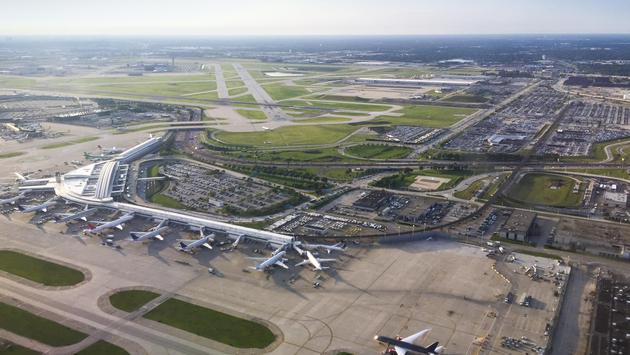
Federal aviation officials have ordered significant flight reductions at O’Hare International Airport in an effort to ease persistent delays during the peak summer travel season, underscoring ongoing operational challenges at one of the nation’s busiest aviation hubs.
Under the directive, airlines will be required to cut approximately 300 flights per day on the busiest summer travel days. The order, issued by the Federal Aviation Administration, is aimed at aligning flight schedules with available air traffic control staffing and airport capacity, which have struggled to keep pace with surging passenger demand.
Chicago O’Hare has long been prone to congestion due to its high traffic volume, complex runway configuration, and exposure to volatile weather patterns. These factors, combined with ongoing air traffic controller shortages, have led to mounting delays that ripple across the U.S. aviation network, impacting both domestic and international operations.
The FAA said the cuts are a proactive measure designed to stabilize operations and reduce the cascading effects of delays. By trimming scheduled flights, regulators hope to create a more manageable flow of aircraft, allowing controllers to maintain safer and more efficient spacing between arrivals and departures. The move follows similar interventions in previous years at other congested airports, including New York-area hubs.
Airlines operating at O’Hare are expected to adjust schedules accordingly, with a focus on minimizing disruption to passengers while complying with the mandated reductions. Carriers may consolidate flights, deploy larger aircraft, or shift capacity to less congested times of day. However, travelers could still face higher fares and reduced flexibility, particularly during peak travel periods.
Industry analysts note that the decision reflects a broader structural issue within the U.S. aviation system, where demand has rebounded faster than staffing and infrastructure improvements. Air traffic control facilities nationwide continue to face recruitment and training challenges, limiting their ability to handle peak volumes efficiently.
The summer travel season is expected to see record passenger numbers, placing additional pressure on already strained systems. Officials are urging travelers to plan ahead, allow extra time at the airport, and monitor flight status closely for potential schedule changes.
While the flight cuts may help improve on-time performance in the short term, they also highlight the need for long-term investment in air traffic control staffing, airport infrastructure, and modernization programs. Without these improvements, delays at major hubs like O’Hare are likely to remain a recurring issue during periods of high demand.
Related News: https://airguide.info/?s=FAA, https://airguide.info/category/air-travel-business/airline-finance/
Sources: AirGuide Business airguide.info, bing.com